Attic Moisture Control Key Takeaways
- During winter, warm, moist air can escape through gaps in the ceiling and leave condensation on the cold underside of the roof.
- Water stains that appear after heavy rain could point to a roof leak rather than condensation. These problems need different repairs.
- Bathroom exhaust fans and ducted kitchen hoods should vent outdoors, not into the attic.
- Adding more insulation won't seal gaps in the ceiling. That's why attic air sealing is important for keeping moist household air out.
- More ventilation isn't always the answer. Before installing additional roof vents, check whether the existing ventilation is working properly.
Noticed frost under your attic roof or found damp insulation? Before you think about adding more insulation or installing extra vents, it's worth finding out where that moisture is coming from. You could have a roof leak, or warm air from inside your home might be turning into condensation. The signs can look similar, but the fixes are different.
Chicago winters can be tough on attics, and summer humidity can bring its own problems. If air leaks or poor insulation are part of the issue, Green Attic Insulation can help you figure out what needs attention in your home.
Identifying the Root Causes of Indoor and Attic Humidity
A humid house doesn't always mean you have a damp attic. In a vented attic, outdoor air circulates through roof vents, so humidity in attic spaces can change with the weather.
But during winter, warm air from the rooms below can slip through gaps around the attic hatch or ceiling fixtures. When it reaches the cold underside of the roof, moisture can collect there as frost or water droplets.
One useful clue is when the moisture shows up. If you notice wet spots after a storm, you could have a roof leak, possibly around damaged flashing that seals openings in the roof.
Frost that appears during freezing weather may instead point to warm air escaping from inside the house. The timing can help narrow things down, but you'll still need to check where the moisture is coming from.
Bathroom exhaust fans can also cause trouble if their ducts empty into the attic instead of outdoors. Rather than removing moisture from your home, they send humid air straight into the attic.
And if you've noticed a musty smell near a heating or cooling vent, it's worth checking out, although it doesn't automatically mean the attic is responsible.
Not sure how humid your home is? A simple humidity meter, also called a hygrometer, can help you find out.
The EPA recommends keeping indoor relative humidity below 60%, ideally between 30% and 50%. Those numbers apply to your living spaces, not the attic. Attic humidity varies with outdoor conditions, especially in a vented space.
Even if your home's humidity is within the recommended range, condensation can still develop in the attic if warm indoor air keeps escaping through the ceiling.
Signs of Excess Moisture in Your Attic
Moisture problems aren't always obvious at first. You might notice a strange smell when opening the attic hatch or discover damp insulation while checking the space. If you can safely look inside your attic, watch for these warning signs:
- A musty smell that lingers when you open the attic hatch
- Frost or water droplets on the underside of the roof or exposed nail tips during winter
- Dark stains or spots that look like mold on the wood inside the attic
- Insulation that looks wet or clumped together
- Water stains on the ceiling below the attic
These signs can tell you that moisture is present, but they won't necessarily reveal what's causing it. Avoid disturbing insulation that appears moldy or badly soaked until it's been assessed.
Chicago's Seasonal Impact on Attic Moisture

Attic moisture in the north of Chicago can become a concern during long stretches of freezing weather. Frost may build up on the underside of the roof, then melt as temperatures rise.
That can leave the wood or insulation damp, even if the roof isn't leaking.
Summer is a different story. Humid outdoor air moves through attic vents, and that's normal in a vented attic. But if your air-conditioning ducts run through that space, damaged or missing duct insulation can allow water droplets to form on their cold surfaces.
Attic humidity naturally changes with the weather. What you don't want is wood or insulation that stays damp. If that happens, it's worth finding out why.
What Is a Good Level of Humidity in a House?
A good level of humidity in a house is generally between 30% and 50% relative humidity, according to the EPA.
But there's something to keep in mind if you live in Chicago: during cold winters, you may need to keep indoor humidity lower to prevent condensation on windows and other cold surfaces.
Here's a quick guide to understanding your home's humidity readings.
| Indoor humidity level | What it means | What you should do |
|---|---|---|
| Below 30% | Lower than the EPA's ideal range. Indoor air may feel uncomfortably dry. | If your home feels dry, consider adding moisture carefully. During extreme cold, however, lower humidity may be necessary to prevent condensation. |
| 30–40% | A useful starting range for many homes during winter. | Keep an eye on condensation around windows. You may need to lower humidity further during very cold weather. |
| 40–50% | Within the EPA's preferred range for indoor humidity. | Generally a good range to maintain, provided you're not seeing condensation or persistent dampness. |
| 50–60% | Above the EPA's ideal range, though still below its recommended upper limit. | Check for moisture buildup. Use bathroom exhaust fans and make sure your air conditioning is controlling humidity during summer. |
| 60% or higher | Above the EPA's recommended indoor humidity limit. Sustained moisture can increase the risk of mold growth. | Look for moisture sources and reduce indoor humidity. Air conditioning or a dehumidifier may help. |
These ranges apply to the living areas of your home, not to a vented attic. Even when indoor humidity is within the recommended range, warm air escaping through ceiling gaps can still cause condensation on cold attic surfaces. That's another reason why proper air sealing matters.
Roof Openings and Attic Water Leaks
Sometimes, a roof leak starts in a spot you wouldn't expect. Take the areas around plumbing vent pipes or chimneys, for example. They're protected by flashing, which helps keep rain and melting snow out.
But flashing can wear out over time, giving water a way into your attic. If you find damp insulation or water stains near one of these openings, it's worth having the flashing checked.
And don't forget about the pipes inside your attic. Some homes have water supply lines running through that space, and a small leak can go unnoticed for quite a while.
If a pipe is leaking, fixing it is the priority. More ventilation won't solve the problem, and replacing wet insulation before stopping the leak could leave you dealing with the same damage all over again.
Poor Attic Insulation and Moisture Problems

If your attic insulation is thin or uneven, more heat can escape through the ceiling during winter. That heat can warm parts of the roof and melt the snow sitting on top.
When the water reaches the colder roof edges, it can freeze again and form ice dams. Water trapped behind these ice dams may find its way beneath the roofing and into your attic.
But keep in mind that ice dams don't always mean you have a humidity problem.
Here's something else worth knowing: adding more insulation won't automatically fix air leaks. Warm, moist air can still slip through gaps in the ceiling, even if your attic has plenty of insulation.
When those leaks are part of the problem, attic moisture control usually starts with air sealing before adding another layer.
And what if your insulation is already wet? First, find out where the moisture is coming from and get that problem fixed. Covering damp insulation with fresh material could hide damage that's still there.
You'll also want to make sure the insulation isn't blocking your soffit vents, the openings beneath the roof's overhang that allow outdoor air to enter a vented attic.
Attic Ventilation and Moisture Control
Your attic needs a clear path for air to move in and out. In a vented attic, outdoor air usually comes in through soffit vents beneath the roof's edge and leaves through ridge vents or other roof vents.
This helps moisture dry out, but only if the air can move freely.
Sometimes, insulation gets in the way. If it's pushed up against the soffit vents, it can block the air coming in. That's why baffles are used. They're small channels that keep a path open for airflow.
Good attic moisture control doesn't always require more vents. Start by checking whether the ones you already have are blocked or need adjustments.
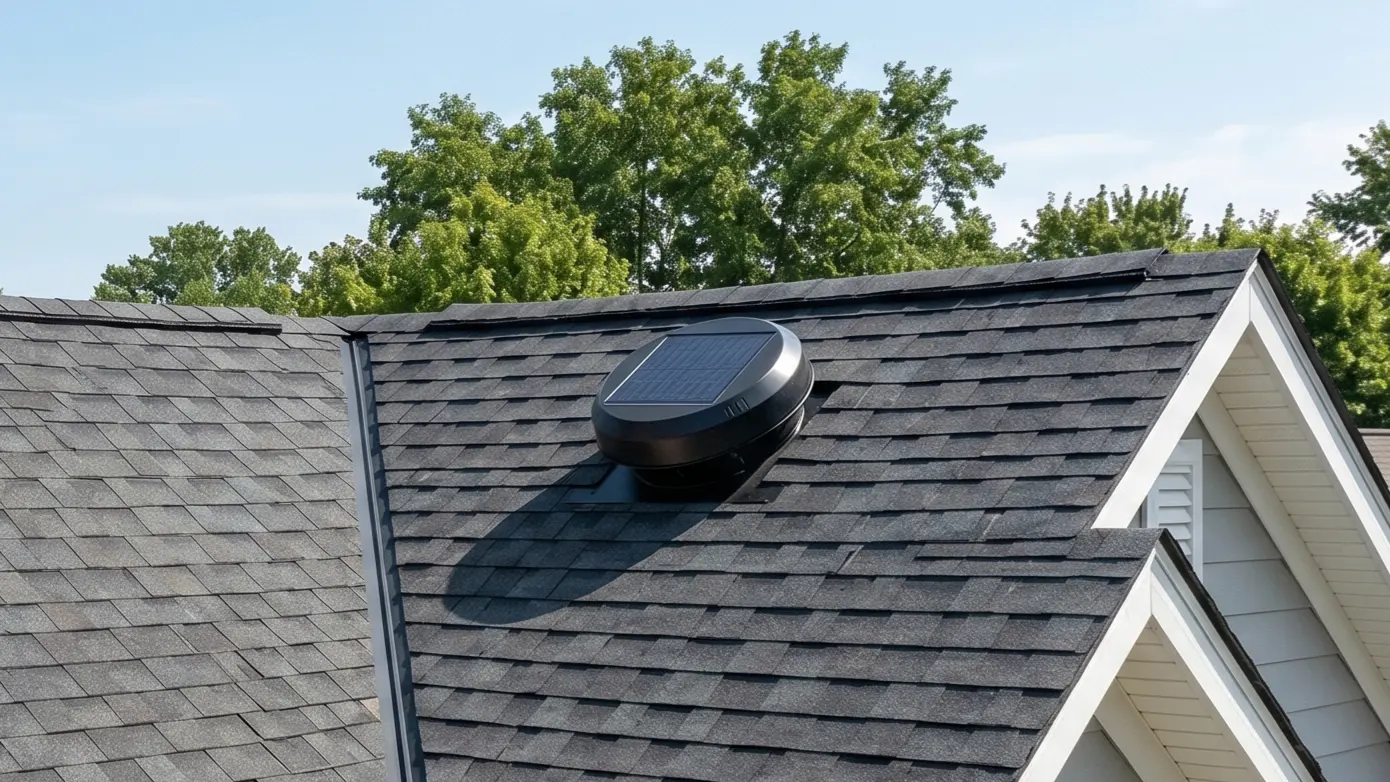
And don't overlook the heating or cooling ducts if they run through your attic. Leaky ducts or damaged duct insulation can add to moisture problems. A powered attic fan can cause trouble, too.
Without enough outdoor air coming in, it may pull heated or cooled air from your home through gaps in the ceiling. It's better to check for these problems before changing your ventilation setup.
Interested in a quote?
Find answers to your questions by scheduling a complimentary consultation with us.

What to Do About Moisture in Your Attic
The first thing to do about moisture in your attic is figure out where it's coming from. If water stains show up after heavy rain, you could have a roof leak, so it's worth having the flashing checked.
Frost that keeps appearing during winter may mean warm air is escaping through gaps in the ceiling.
Those gaps might need sealing. It's also a good idea to check that your bathroom exhaust fans vent outside rather than into the attic.
Once you've found and fixed the cause, take a look at your insulation. If it's wet, have it checked before replacing it or adding another layer. Before spending money on extra roof vents, make sure the ones you already have aren't blocked.
If you come across soaked insulation or large patches that look like mold, leave the affected materials alone for now. Have a professional inspect the area before trying to clean up or replace anything.
Why Trust Green Attic Insulation
Knowing how to control moisture in your attic also means knowing which repairs will actually help. That's where Green Attic Insulation's experience can make a difference.
We've been helping Chicagoland homeowners with attic insulation and air sealing since 2009. If moisture is getting into your attic through ceiling gaps, our team can help address those air leaks.
And if a roof leak is causing the trouble, that needs to be fixed before adding more insulation.
If you're concerned about moisture in your attic, get in touch with our team and tell us what you've noticed. We can help you figure out if air sealing or insulation improvements make sense for your home.
Attic Moisture Control FAQ
What Is a Normal Level of Humidity in Attic Spaces?
A normal level of humidity in attic spaces isn't defined by one fixed percentage. In a vented attic, relative humidity changes with outdoor conditions throughout the year. A high reading alone doesn't necessarily indicate a problem, but recurring condensation on roof sheathing or insulation that stays damp should be investigated.
Will a Dehumidifier Fix Attic Humidity?
A dehumidifier generally won't fix attic humidity problems in a vented attic because outdoor air continues to circulate through the space. Using one inside the home may help reduce indoor moisture, but it won't stop roof leaks or air escaping through ceiling gaps. Conditioned, unvented attics may require a different approach to humidity control.
Can Loft Insulation Help With Humidity Control?
Loft insulation can help with humidity control indirectly, but it won't lower humidity on its own. Properly installed insulation reduces heat loss, while air sealing helps stop warm, moist household air from escaping into the attic and causing condensation. If moisture is coming from a roof leak or poor ventilation, adding more insulation won't solve the problem. It's important to address the moisture source first.
Does More Attic Ventilation Always Help?
More attic ventilation doesn't always help control moisture. Proper airflow can help a vented attic dry, but adding vents won't stop humid indoor air from entering through ceiling gaps. Before making changes, check whether the existing ventilation is properly designed and unobstructed.
Can Too Much Attic Ventilation Cause Problems?
Too much attic ventilation can cause problems when the system is poorly designed, particularly if powered exhaust fans operate without enough intake air. These fans may draw conditioned air from the house through ceiling gaps. Properly designed passive ventilation doesn't automatically create this problem.
Share with the world