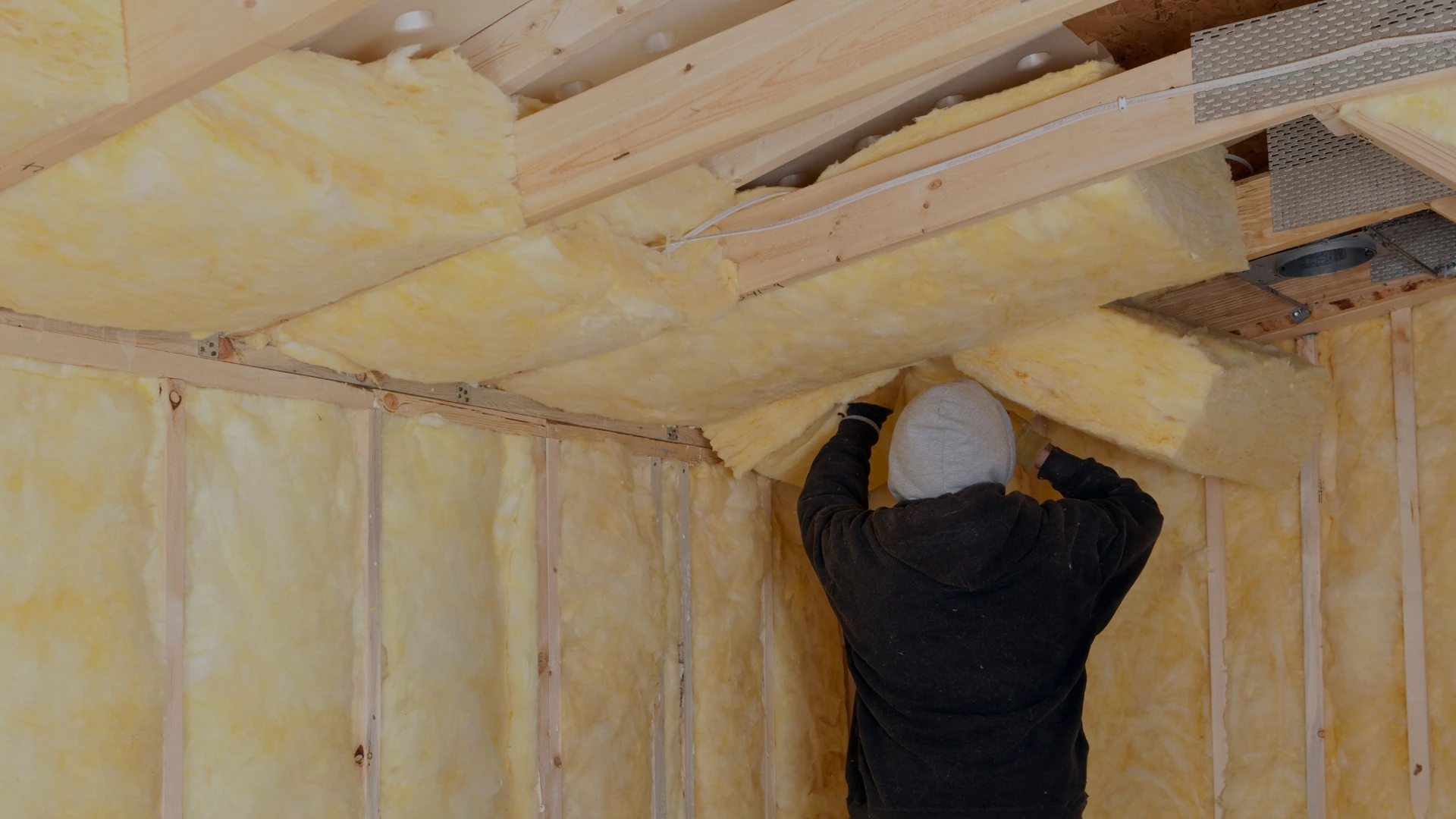
Fiberglass Insulation in Chicago and Suburbs
Upgrade your home's comfort and energy efficiency with professional fiberglass insulation installation throughout the Chicago area.

Trusted by homeowners for reliable, energy-saving insulation solutions.




Request a Quote Today
Please Fill Out the Form Below
First name *
Last name *
Email *
Phone *
Address, City, State, Zip *
Tell us more about your project
Get a Free Quote



Fiberglass Insulation Pros and Cons
Fiberglass is a lightweight, durable, and cost-effective insulation solution that enhances energy performance and comfort—ideal for upgrades and new construction projects alike.
Fiberglass Pros
A few of the advantages the insulation offers include the following:
• Easy installation: The rolls or batts are manufactured to comply with standard joist width builders use for walls and floors. As a result, they are very easy to unroll inside the joists.
• Moisture resistant: One important way insulation must perform is resisting moisture that may penetrate through the roof or humidity in the air. Fiberglass products do a great job of resisting moisture, so builders often choose to use it in higher-humidity regions. Because it can resist moisture, it is less prone to mold growth, which some other insulations are known for.
• Non-computability: The material is noncombustible, or fire resistant, which is important for a material installed next to the home’s wood structure and for general household safety.
• Easy installation: The rolls or batts are manufactured to comply with standard joist width builders use for walls and floors. As a result, they are very easy to unroll inside the joists.
• Moisture resistant: One important way insulation must perform is resisting moisture that may penetrate through the roof or humidity in the air. Fiberglass products do a great job of resisting moisture, so builders often choose to use it in higher-humidity regions. Because it can resist moisture, it is less prone to mold growth, which some other insulations are known for.
• Non-computability: The material is noncombustible, or fire resistant, which is important for a material installed next to the home’s wood structure and for general household safety.
Fiberglass Cons
In spite of its advantages, homeowners should also consider its downfalls:
• Improper insulation reduces efficiency: Even though it’s easy to install, the insulation’s performance can decrease dramatically if it’s not installed properly. Gaps in the layers of insulation can drive down performance, as the gaps allow heat movement in between the insulation.
• A lower efficiency overall: Comparatively speaking, fiberglass products don’t rate as high as some other insulations in terms of resistance (or R-value) per inch. In addition, when temperatures fall, the product loses performance value.
• Energy hogging: To produce the insulation, manufacturers have to use a lot of energy, and the process releases a good deal of air pollution compared to other manufacturing processes for insulation types.
• Improper insulation reduces efficiency: Even though it’s easy to install, the insulation’s performance can decrease dramatically if it’s not installed properly. Gaps in the layers of insulation can drive down performance, as the gaps allow heat movement in between the insulation.
• A lower efficiency overall: Comparatively speaking, fiberglass products don’t rate as high as some other insulations in terms of resistance (or R-value) per inch. In addition, when temperatures fall, the product loses performance value.
• Energy hogging: To produce the insulation, manufacturers have to use a lot of energy, and the process releases a good deal of air pollution compared to other manufacturing processes for insulation types.
Cost of Fiberglass Insulation
The average cost of fiberglass insulation typically ranges from $1.90 to $2.40 per square foot. To insulate an attic to R-49 over an area of 1,000 square feet, homeowners generally spend around $2,700, which includes both materials and labor.
If one insulation material turns out to be less expensive than another, the price difference can range from negligible to dramatic. That’s where Green Attic comes in. Our free inspection is designed to provide a clear plan for addressing your needs.
We guide you through all your options and help develop a solution that you’re comfortable with and that meets your needs.
If one insulation material turns out to be less expensive than another, the price difference can range from negligible to dramatic. That’s where Green Attic comes in. Our free inspection is designed to provide a clear plan for addressing your needs.
We guide you through all your options and help develop a solution that you’re comfortable with and that meets your needs.
Free Estimate
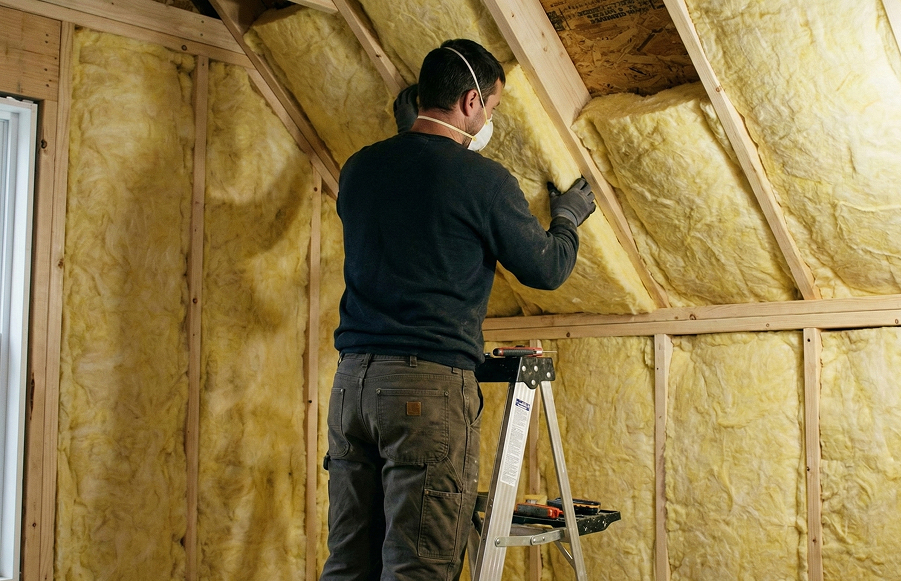
Why Hire an Insulation Company?
Whether you choose fiberglass or cellulose, your insulation will only block the movement of heat. It won’t block the movement of air – and that matters. In a typical home, air infiltration is endemic.
Outdoor air is constantly entering your home through gaps and cracks in the building envelope. At the same time, conditioned air is leaking out. Due to the stack effect, most of this leakage occurs at the top and bottom of your home – your attic and crawlspace.
Sure, there’s insulation in your attic and crawlspace. But there’s probably nothing to prevent air from moving past plumbing, air duct, and electrical penetrations. Or attic staircase hatches. Or whole house fans.
Outdoor air is constantly entering your home through gaps and cracks in the building envelope. At the same time, conditioned air is leaking out. Due to the stack effect, most of this leakage occurs at the top and bottom of your home – your attic and crawlspace.
Sure, there’s insulation in your attic and crawlspace. But there’s probably nothing to prevent air from moving past plumbing, air duct, and electrical penetrations. Or attic staircase hatches. Or whole house fans.
In spite of all their benefits, neither fiberglass nor cellulose insulation provides an adequate air seal. While some research suggests that cellulose resists and/or blocks air movement more effectively than fiberglass, these materials are and should only be installed to reduce the passage of heat – not the passage of air.
Only foam insulation and certain caulks can block air movement in a way that truly improves comfort and boosts energy efficiency. Any time you’re thinking about adding insulation to improve your home’s thermal performance, consider air sealing as part of the same project.
Have your insulation contractor seal all visible gaps and cracks inside the space you’re planning to insulate. You’ll improve the overall performance of the new insulation you’re buying.
Only foam insulation and certain caulks can block air movement in a way that truly improves comfort and boosts energy efficiency. Any time you’re thinking about adding insulation to improve your home’s thermal performance, consider air sealing as part of the same project.
Have your insulation contractor seal all visible gaps and cracks inside the space you’re planning to insulate. You’ll improve the overall performance of the new insulation you’re buying.
Frequently Asked Question
Does fiberglass insulation need an air gap?
No, fiberglass insulation does not need an air gap, and you will get the best performance when it fits snugly against the surface to help stop unwanted air movement.
A nice, even fit (without overcompressing) helps it trap air in its fibers, providing better comfort and efficiency. A tight, uncompressed install helps it trap air in its fibers for great R-value and comfort, while gaps can reduce performance and invite moisture issues.
A nice, even fit (without overcompressing) helps it trap air in its fibers, providing better comfort and efficiency. A tight, uncompressed install helps it trap air in its fibers for great R-value and comfort, while gaps can reduce performance and invite moisture issues.
Can I lay fiberglass over plywood?
Yes, you can lay fiberglass over plywood to create a strong, waterproof, long-lasting surface, as long as the wood is completely dry, sanded, and free of dust.
For the best bond and long-lasting durability, you will get great results by pre-coating the wood with resin to prevent absorption, rounding any sharp corners, then laying the fiberglass cloth or mat and fully wetting it out while smoothing out air bubbles for a clean, strong finish.
For the best bond and long-lasting durability, you will get great results by pre-coating the wood with resin to prevent absorption, rounding any sharp corners, then laying the fiberglass cloth or mat and fully wetting it out while smoothing out air bubbles for a clean, strong finish.
How many layers of fiberglass is enough?
Two layers are a solid, confidence-inspiring option for light-duty or rigid surfaces, giving you a clean and reliable build. If you want extra toughness for demanding structural or marine projects, three or more layers is an excellent upgrade that delivers even more strength and durability.
Will installing fiberglass insulation increase my home's energy efficiency?
Yes, installing fiberglass insulation will noticeably increase your home’s energy efficiency by creating a strong thermal barrier that slows heat transfer. This helps keep your home cooler in summer and warmer in winter, so your HVAC system does less work, and you can enjoy lower utility bills.
For the biggest efficiency boost, you will get excellent results by installing it snugly (without gaps or over-compressing), then adding simple air sealing at common leak points. That one-two combo helps your insulation perform at its best and keeps your home feeling consistently comfortable.
For the biggest efficiency boost, you will get excellent results by installing it snugly (without gaps or over-compressing), then adding simple air sealing at common leak points. That one-two combo helps your insulation perform at its best and keeps your home feeling consistently comfortable.
Will adding fiberglass improve the overall comfort of an old home without needing a full renovation?
Yes, adding fiberglass insulation can significantly improve the overall comfort of an old home without the need for a full renovation by helping maintain steadier indoor temperatures and cutting down on drafts. It also quiets down outside noise and can lower energy bills by minimizing heat loss and gain.
Blown-in fiberglass is a fantastic option because it can be installed with minimal disruption through small access holes, helping you upgrade comfort quickly and cleanly without major tear-outs.
For the best comfort boost, you can get even more great results by doing simple air sealing around common leak points like windows and doors, helping your insulation work at its full potential.
Blown-in fiberglass is a fantastic option because it can be installed with minimal disruption through small access holes, helping you upgrade comfort quickly and cleanly without major tear-outs.
For the best comfort boost, you can get even more great results by doing simple air sealing around common leak points like windows and doors, helping your insulation work at its full potential.
Will fiberglass insulation be enough to stop air leaks and drafts?
No, fiberglass insulation is not enough to stop air leaks or drafts, because air can still pass through its porous fibers even though it does a great job improving comfort and energy efficiency.
You can get excellent, draft-free results by sealing gaps first with caulk, spray foam, or rigid barriers, then adding fiberglass to help maintain steady temperatures and maximize overall performance.
You can get excellent, draft-free results by sealing gaps first with caulk, spray foam, or rigid barriers, then adding fiberglass to help maintain steady temperatures and maximize overall performance.