


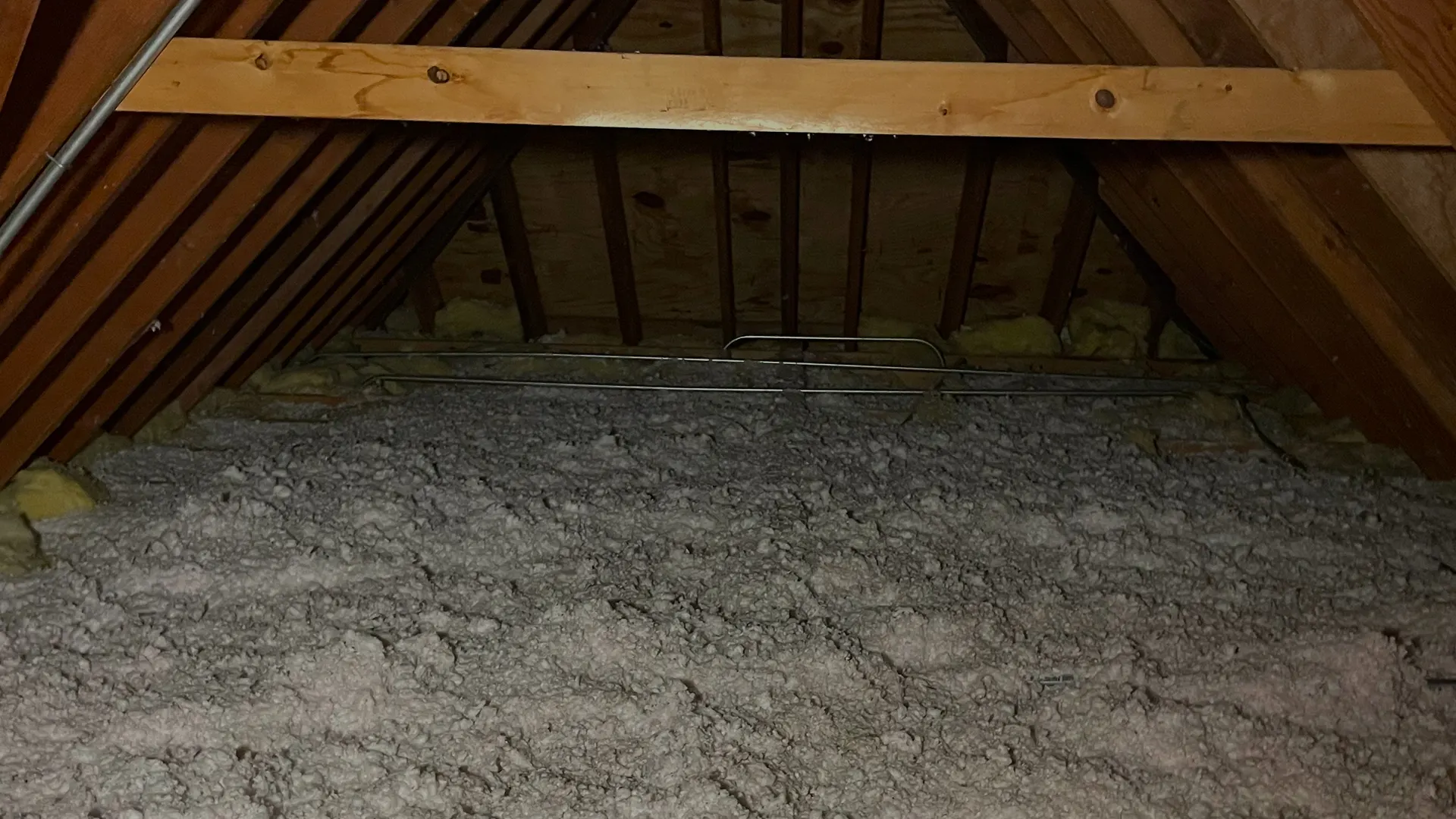
Eco Friendly Insulation
At Green Attic, we believe in sustainable insulation solutions like cellulose that meet rigorous ASTM standards while helping homeowners reduce their environmental impact.

Trusted by homeowners for reliable, energy-saving insulation solutions.


Request a Quote Today
Please Fill Out the Form Bellow
First name *
Last name *
Email *
Phone *
Address, City, State, Zip *
Tell us more about your project
Get a Free Quote



What is Eco Friendly Insulation?
Eco-friendly insulation refers to insulation materials and techniques that are designed to minimize environmental impact and promote sustainability.
It involves using insulation products that are made from renewable or recycled materials and have low or no VOC (Volatile Organic Compounds) emissions. Common eco-friendly insulation materials include recycled denim, cellulose, wool, cork, and natural fibers.
If you want to know more, feel free to contact us, and we will be happy to assist you.
It involves using insulation products that are made from renewable or recycled materials and have low or no VOC (Volatile Organic Compounds) emissions. Common eco-friendly insulation materials include recycled denim, cellulose, wool, cork, and natural fibers.
If you want to know more, feel free to contact us, and we will be happy to assist you.
Get a Free Consultation
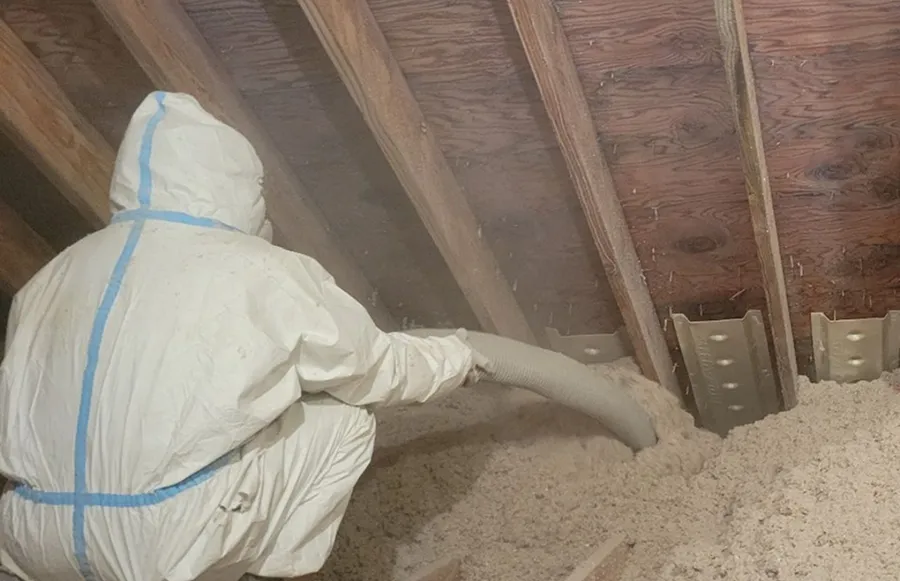
Type of Eco Friendly Insulation
There are multiple kinds of insulation that work if you are looking to
insulate your house.
Fire safety
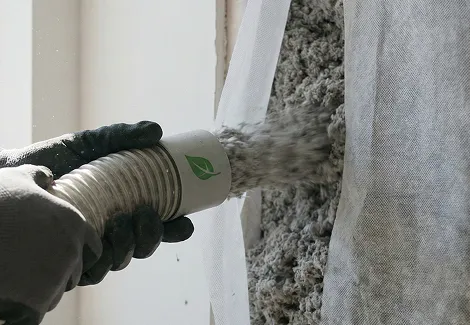
Besides saving you money, cellulose insulation also provides extremely effective fire protection capabilities. Tests conducted by Underwriters Laboratories Inc.® show that Cellulose insulation provides an effective 1 hour fire rating.
This will slow the spread of a fire allowing you more time to escape any danger. This is because cellulose is specially treated using Borate Compound Chemicals as a fire retardant in the manufacturing process to meet or exceed all fire safety requirements.
This will slow the spread of a fire allowing you more time to escape any danger. This is because cellulose is specially treated using Borate Compound Chemicals as a fire retardant in the manufacturing process to meet or exceed all fire safety requirements.


Frequently Asked Question
Is eco-friendly insulation more expensive?
Yes, eco-friendly insulation can be a bit more expensive upfront, but many options are still very budget-friendly, especially cellulose (about $0.50 to $1.50 per sq ft) and mineral wool (about $0.80 to $1.50 per sq ft). While fiberglass is often slightly cheaper (around $0.40 to $0.70 per sq ft), eco-friendly options can pay off through energy savings, durability, and improved indoor air quality.
What materials qualify as eco-friendly insulation?
Materials that qualify as eco-friendly insulation include cellulose, hemp, sheep’s wool, cork, recycled denim (cotton), wood fibre, and mineral wool (rockwool), all of which can lower environmental impact compared to traditional options.
These materials are often chosen because they use renewable or recycled materials, avoid harsh chemicals like formaldehyde, and can help improve indoor air quality. Many also offer helpful moisture regulation and strong thermal performance for long-term comfort.-
These materials are often chosen because they use renewable or recycled materials, avoid harsh chemicals like formaldehyde, and can help improve indoor air quality. Many also offer helpful moisture regulation and strong thermal performance for long-term comfort.-
Will natural insulation materials increase the risk of mold, moisture buildup, or rot?
No, natural insulation materials like cellulose, wool, and cotton do not inherently increase the risk of rot or mold if installed correctly. These materials can perform beautifully without increasing mold or rot risk when kept dry through effective moisture management.
Many of these materials are vapor-permeable, which means they support drying, and cellulose is often treated with borates to help resist mold. The best results come from matching the insulation with smart vapor control, reliable ventilation, and climate-appropriate installation details that help the assembly stay dry and perform at its peak.
Many of these materials are vapor-permeable, which means they support drying, and cellulose is often treated with borates to help resist mold. The best results come from matching the insulation with smart vapor control, reliable ventilation, and climate-appropriate installation details that help the assembly stay dry and perform at its peak.
Will eco-friendly insulation settle over time and reduce performance?
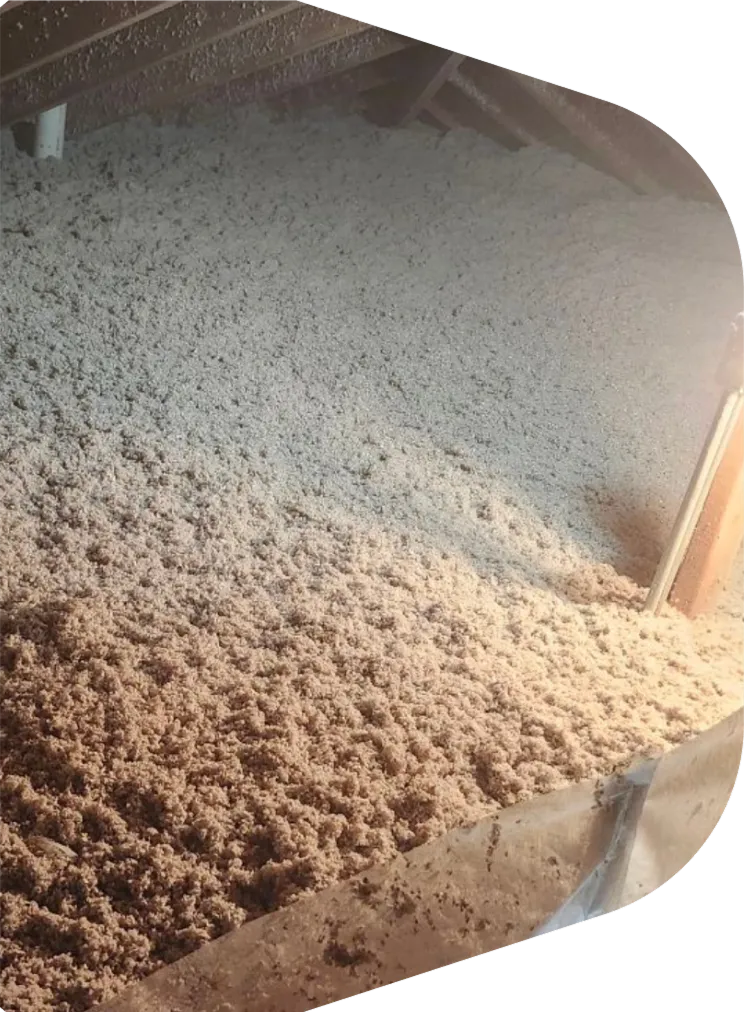
Yes, some eco-friendly options like loose-fill cellulose can settle a bit over time and reduce performance by leaving gaps. The good news is that this is easy to plan for and prevent with the right installation.
When cellulose is densely packed (or slightly overfilled, where appropriate), it stays snug in place and maintains strong performance for the long haul. If you want a naturally resilient option with virtually no settling, mineral wool is a great choice and holds its R-value reliably for decades.
When cellulose is densely packed (or slightly overfilled, where appropriate), it stays snug in place and maintains strong performance for the long haul. If you want a naturally resilient option with virtually no settling, mineral wool is a great choice and holds its R-value reliably for decades.
How do I verify sustainability claims for eco-friendly insulation materials?
Verify eco-friendly insulation sustainability claims by looking for reputable third-party certifications, such as Cradle to Cradle, GREENGUARD Gold, or a Declare label, as these provide independent validation beyond marketing claims.
You can also request the product’s Environmental Product Declaration and review emissions testing or ingredient disclosures to confirm low VOC emissions and transparency. If a product highlights “recycled content,” you can feel confident by looking for clear percentages and trusted third-party verification through accredited organizations like UL Environment.
You can also request the product’s Environmental Product Declaration and review emissions testing or ingredient disclosures to confirm low VOC emissions and transparency. If a product highlights “recycled content,” you can feel confident by looking for clear percentages and trusted third-party verification through accredited organizations like UL Environment.
Service Areas
Northwest Suburbs

North Shore
Learn More


