
Soffit Vents Explained: Your Attic's Intake System
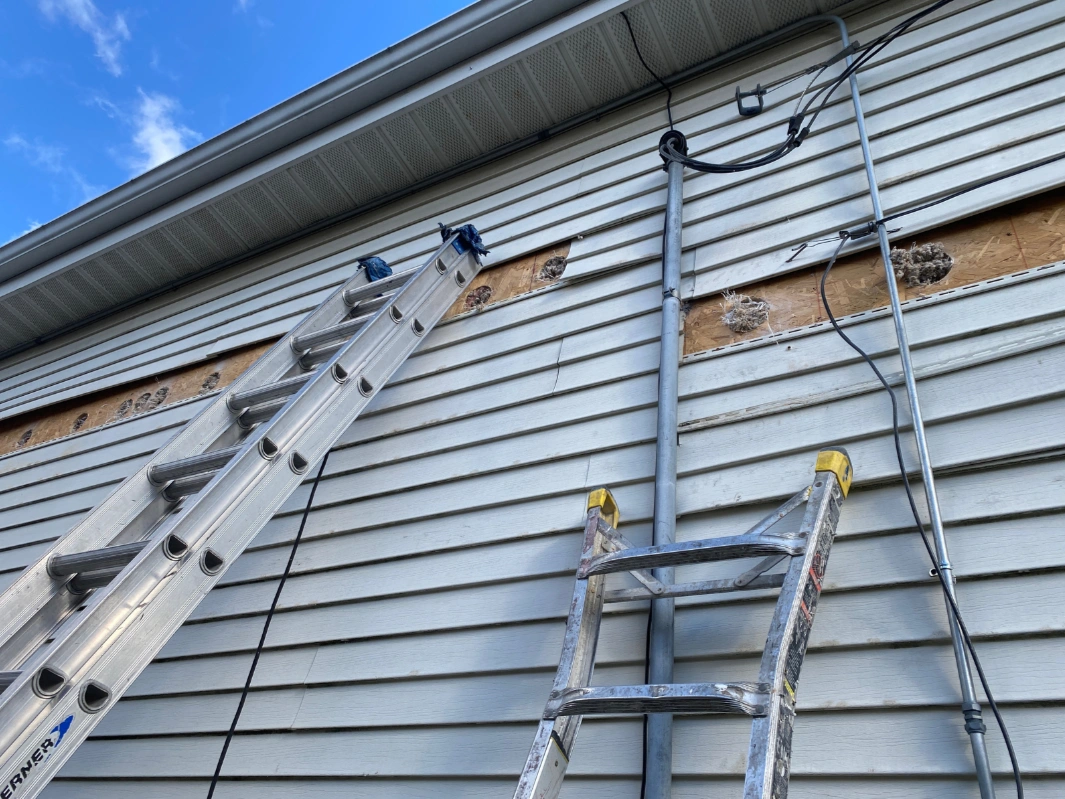
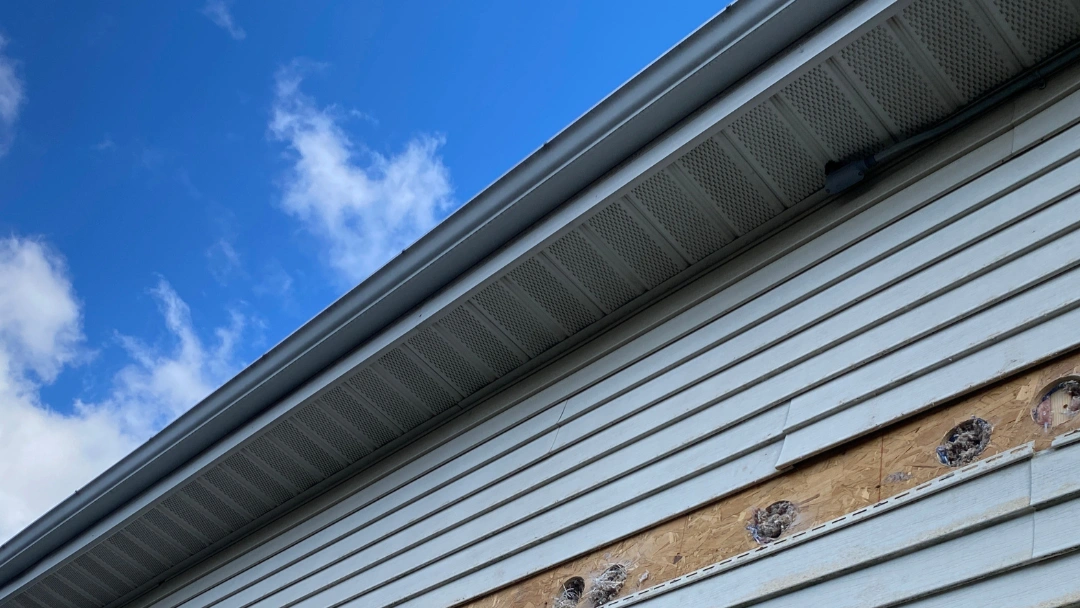
Soffit vents are perforated openings installed in the underside of your roof's eaves, designed to allow air to flow into and out of your attic. These vents are crucial in maintaining proper attic ventilation, which helps prevent heat buildup, moisture issues, and potential roof damage.
When paired with exhaust vents (like ridge or roof vents), it keeps air moving steadily, helping the attic stay cooler in summer and drier in winter. This balanced airflow supports a cooler, drier attic, which helps protect the roof system and keeps the home more comfortable year-round.
Attic ventilation fans, combined with passive vents such as soffit vents, can help keep the attic as close to the outside temperature as possible. Using a combination of ventilation types is recommended, as it often delivers the best overall performance. Even when structural limitations narrow the options, a well-designed setup can still provide excellent results.
Proper ventilation also helps control humidity, preventing issues like mildew, mold, and rot that can harm your health and your home's integrity. Many shingle manufacturers support using vented soffits as part of a balanced attic ventilation system for warranty purposes, and homes without attic eaves can still achieve excellent performance with approved alternatives, such as ridge, gable, or roof vents, when designed correctly.
Purpose of Soffit Vents
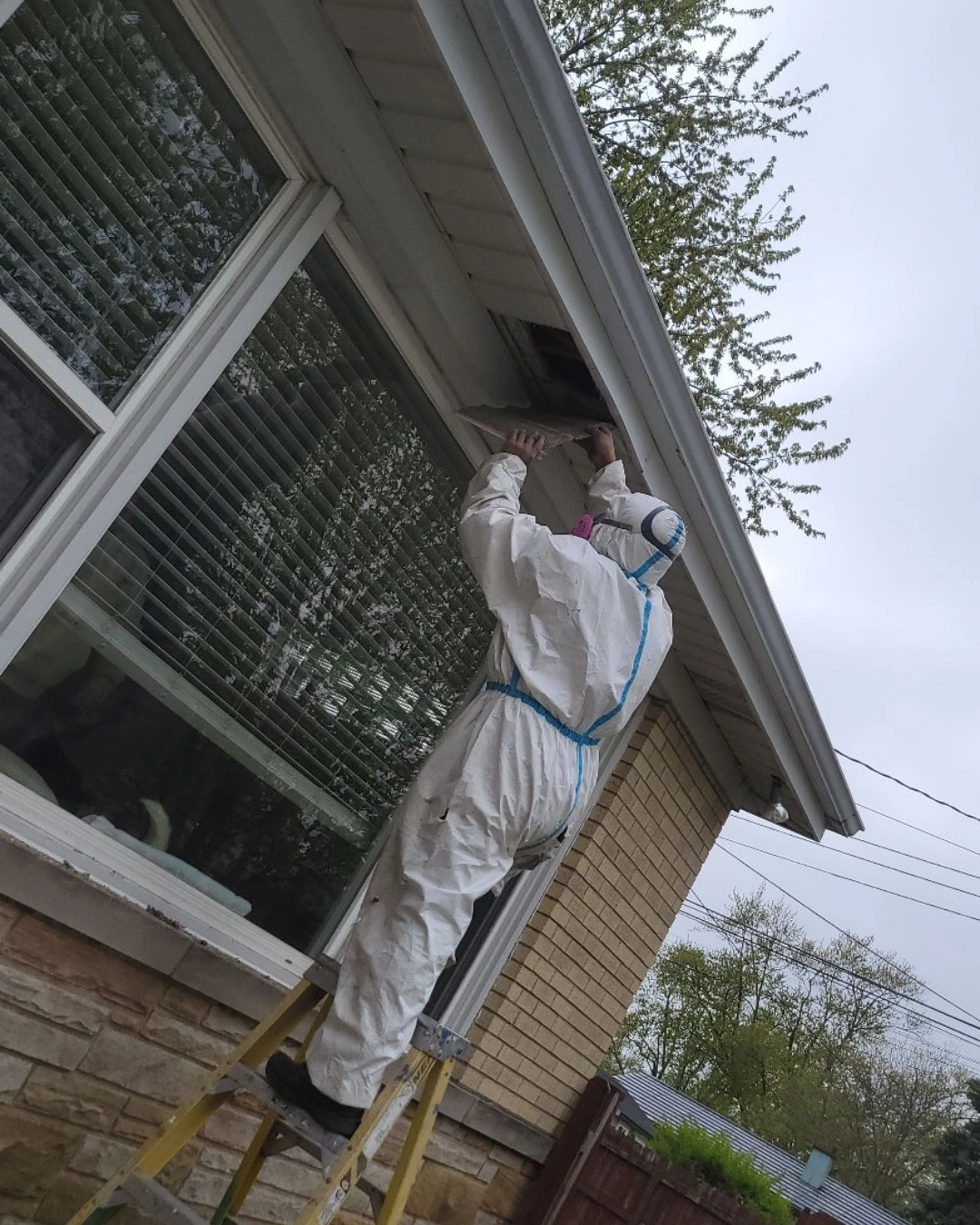
One key benefit of soffit vents is their role in supporting reliable attic ventilation in Chicago's changing seasons. Soffit venting uses small perforations to let fresh air flow into the attic and support steady circulation. Soffit ventilation is important for several reasons:
- Preventing roof damage: Preventing Roof Damage: Good ventilation helps keep attic temperatures more stable, which supports longer shingle life and helps reduce ice dams in winter, protecting your roof and lowering the chance of leaks.
- Lower energy bills: Overheated attics can also lead to increased energy bills, making proper ventilation a cost-saving measure.
- Controlling humidity: Ventilation helps maintain healthy humidity levels, preventing issues like mildew, mold, and rot that can threaten both your health and your home's integrity.
- Shingle warranty compliance: Many shingle manufacturers look for a balanced ventilation system (including soffit intake) as part of their warranty requirements, helping ensure the roof performs its best over time. The good news is it's usually straightforward to confirm what your brand expects and then align your attic ventilation plan, using soffits when available or other approved intake/exhaust options when eave vents are limited, so everything is clearly supported.
Types of Soffit Materials
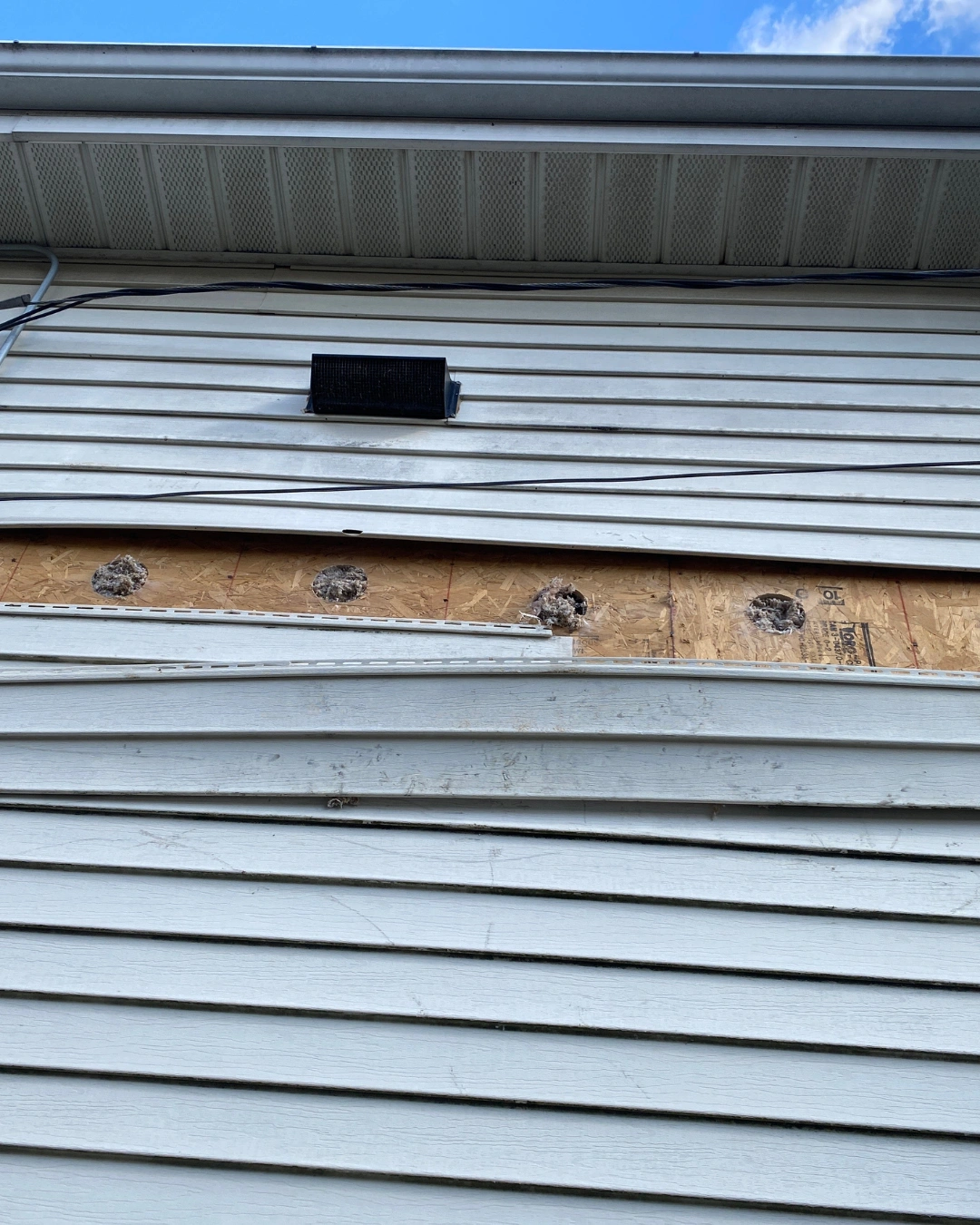
Soffit vents are the most popular and effective type of intake roof vent, installed neatly under the eaves along the length of the house or between joists to bring in fresh air and support smooth, balanced airflow through the attic.
Here are the most popular soffit venting options and how each one performs in terms of durability, maintenance, and curb appeal:
Exterior Wood Soffit Vents
- Exterior wood soffit vents offer a classic look that enhances curb appeal with warm, timeless style.
- This type of soffit vent benefits from routine upkeep, such as occasional painting, helping them stay looking great while you protect them from moisture and pests.
- Exterior wood soffit vents are a premium option, and investing in professional installation and quality repairs helps preserve their beauty and long-term performance.
Vinyl Soffit Vents
- Vinyl soffit vents are a budget-friendly choice that delivers great value without sacrificing performance.
- This type of soffit vent can be a solid, practical choice, and with proper installation and quality materials, it can still provide dependable performance for many years.
- Contractors can customize the design using fully vented soffit or a mix of vented and solid soffit to match the home's needs.
Fiber Cement Soffit Vents
- Fiber cement soffit vents are a durable, long-lasting option made from wood chips, sawdust, and epoxy resin.
- This soffit vent type typically comes at a higher price point than vinyl or aluminum, but that added cost often reflects their durability and long-term performance.
- They offer flexible design options, with vented or solid configurations to match your ventilation needs and the look you want.
Aluminum Soffit Vents
- Aluminum soffit vents are a low-maintenance choice that keeps their clean look without the need for painting or staining.
- They are a highly durable choice that resists discoloration, won't rot, and helps protect against insect damage.
- This soffit vent type comes in a wide range of colors, making it easy to match your exterior style and create a cohesive look.
Metal Soffit Vents
- Metal sofit vents are a durable, long-lasting choice that typically outperforms plastic alternatives over time.
- They come in a variety of finishes, making it easy to coordinate with different soffit materials and achieve a polished, cohesive look.
- This soffit vent type provides excellent airflow and is designed to resist pest intrusion.
Other Types of Soffit Vents
Circular Soffit Vents
- The round shape allows for a clean, discreet installation that blends nicely into soffit panels.
- They are typically made of plastic or metal and often come with built-in insect screens to help keep airflow moving while blocking bugs and debris.
- Circular soffit vents are typically installed in a series along the eaves ventilation to create a smooth, even intake path, supporting consistent attic airflow and reliable ventilation performance.
Fire-rated soffit vents
- Fire-rated soffit vents are designed to help prevent or slow the spread of fire through the attic space by limiting flame and heat entry, while still supporting the ventilation your roof system needs.
- They are often made with intumescent materials that expand when exposed to heat, helping close off the opening and add an extra layer of protection.
- They meet specific building code requirements for fire resistance.
Continuous (Linear) Soffit Vents
- Continuous soffit vents deliver a seamless, full-length design along the soffit for a clean, finished appearance.
- This type of soffit vent delivers consistent, reliable ventilation that boosts airflow and helps your space stay fresher and better balanced.
- Continuous soffit vents are often a cleaner, lower-profile option, making them less noticeable than individual circular vents.
How Many Soffit Vents Do You Need?
Determining the number of soffit vents your home requires is essential for effective attic ventilation in Chicago.
While a general guideline suggests one square foot of ventilation for every 150 square feet of attic space, local building codes should always be consulted for precise requirements.
For instance, if your attic is 1,800 square feet, you'd need approximately 12 square feet of total ventilation. These vents should be evenly distributed along the eave vents in the roof.
Installation Cost of Soffit Vents
Homeowners often plan for about $325 per soffet vent unit and around $300 to $350 for installation, which makes it easier to budget for an energy-saving upgrade.
You can build a confident soffit attic vent installation budget by matching costs to your house size, the vent count you select, and any additional ventilation components added at the same time.
Despite the initial investment, properly installed soffit roof vents in attic significantly contribute to maintaining a healthy, comfortable living environment, making them a valuable addition to any home.
How to Install Soffit Vents on Roof
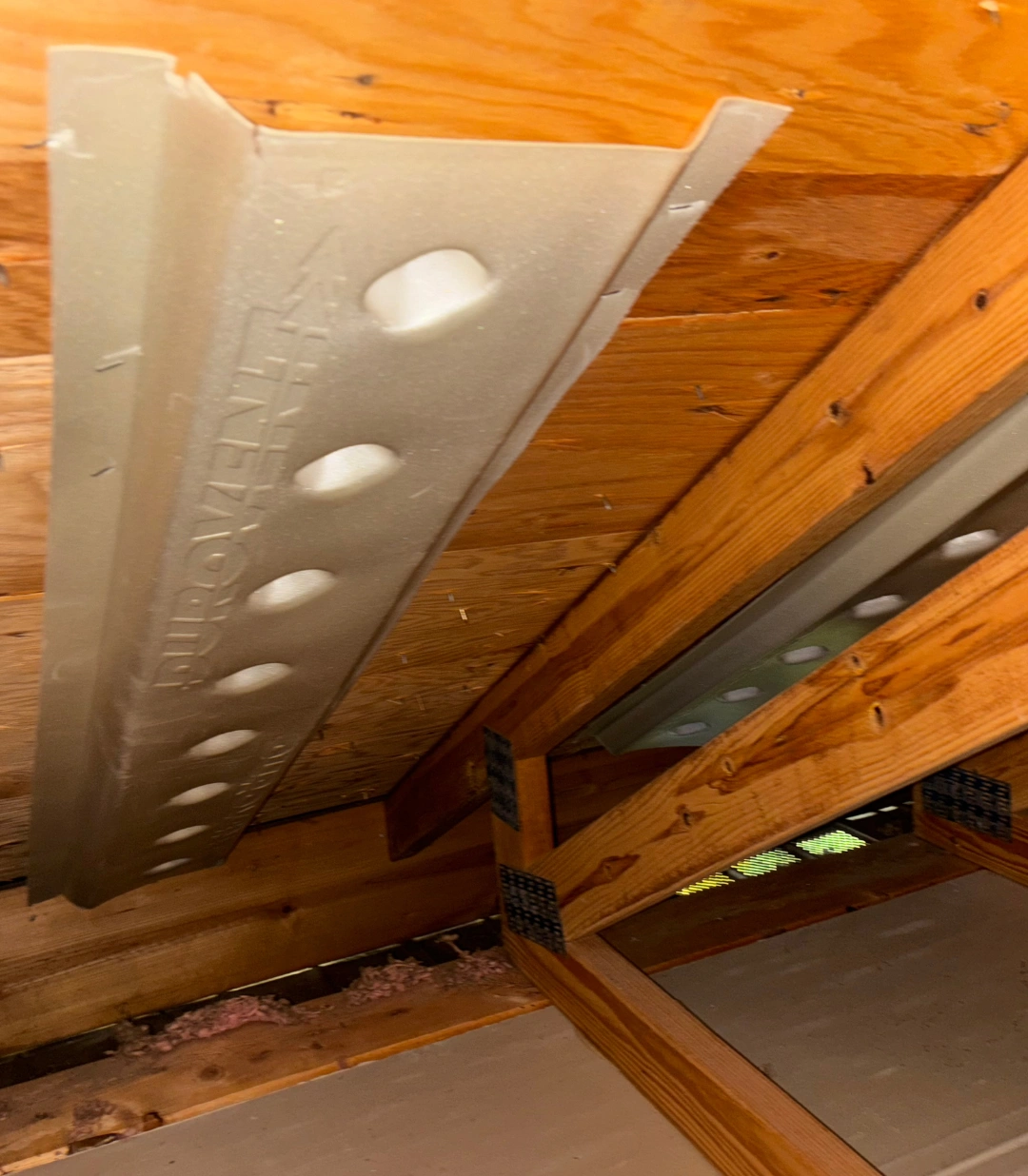
To install soffit vents on your roof, follow this simple, step-by-step guide. It walks you through everything from prep work to completing the final soffit vent installation.
Preparation
- A well-prepped setup goes a long way, and these items help everything run smoothly: cardboard, a pencil, scissors, a measuring tape, safety goggles, work gloves, a ladder, a power drill, a jigsaw or compass saw, and silicone caulk.
- Create a quick, handy cardboard template by tracing your air grille opening, then shaping it so it fits nicely with an even 1-inch margin on all sides, giving you a comfortable, clean guide you can reuse.
Marking and Cutting
- Enjoy a smooth, even setup by finding the soffit center, usually 6 to 9 inches from the outer wall, and fitting your jig between the rafters.
- Use the jig to make an accurate outline on the soffit, keeping the lines clean and easy to follow.
- Add a 1/4 inch starter opening at each corner of your guide outline to make the rest of the job feel simple.
- Follow the guidelines and shape the space with a jigsaw or compass saw for a neat, even result.
Soffit Vent Installation
- For a smooth, polished install, use a cover that fully spans the opening and provides about 1/2 inch of sturdy edge on both sides for simple mounting to make the job simple.
- Add a neat bead of sealant around the outer perimeter of the grille to help create a snug, clean seal.
- Set the cover in place and orient the slats to face the house for a neat finish.
- Use ½-inch stainless steel sheet metal screws to provide a strong, tidy hold, and corner fastening and help the vent sit neatly in place.
Final Steps
- Keep things nicely locked in by giving each vent a soft wiggle to confirm it is secure.
- Support a neat, well-aligned finish by orienting louvers toward the house.
- Enjoy a more cohesive appearance by sanding the vent surface and painting it to match your soffit color, if desired.
Which Way Should Soffit Vents Face
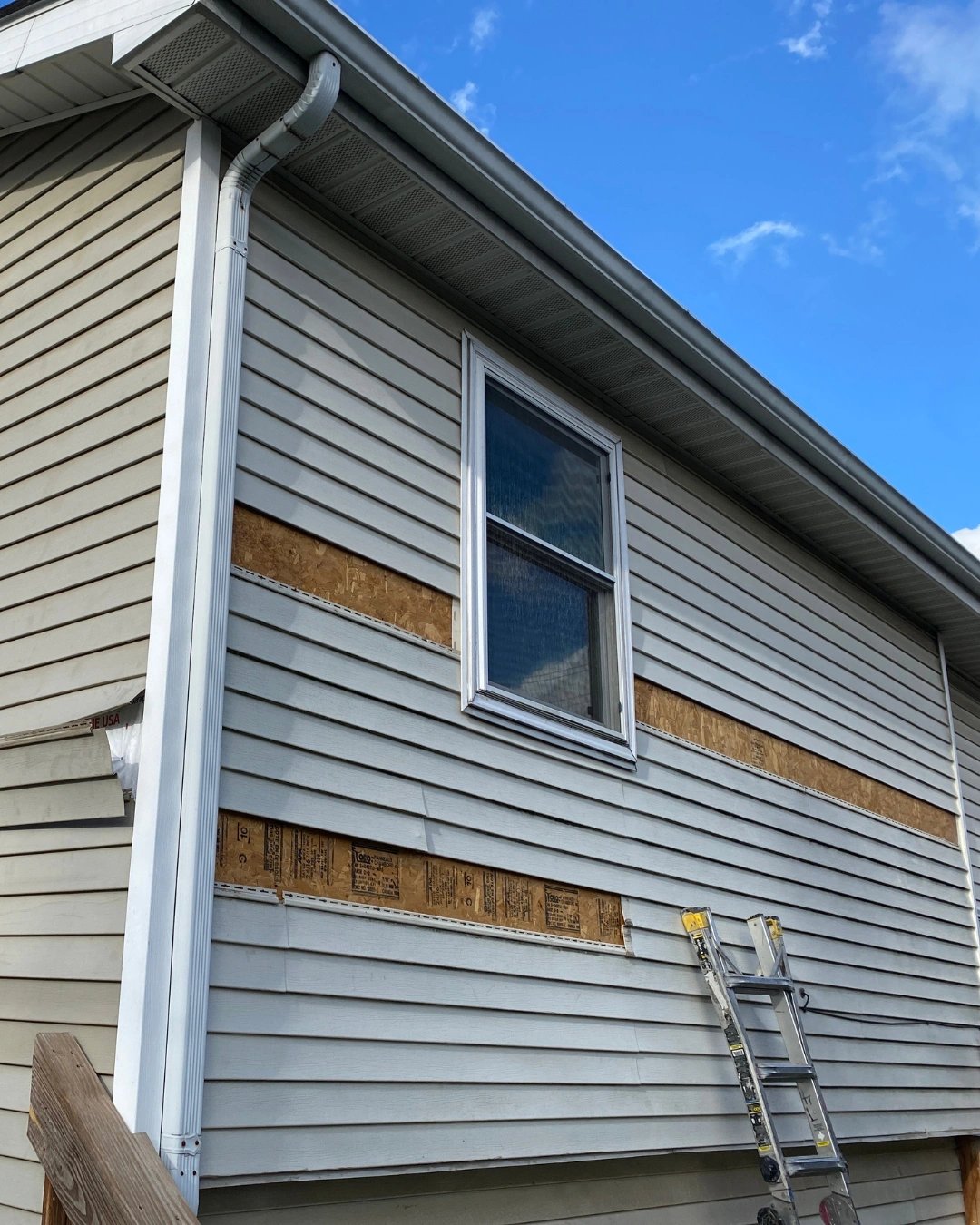
Soffit vents should face the house so they are easy to see from the ground, blend in neatly along the eaves, and make it simple to confirm clear, steady airflow for a comfortable home. This orientation is essential for several reasons:
First, it helps prevent dust, rainwater, and smoke from being drawn up into your attic space. With a correct installation, the angled slats provide a clean, covered look from the ground.
This positioning also aids in directing airflow into the attic space more effectively, promoting better ventilation.
Additionally, this orientation helps to minimize the entry of wind-driven rain or snow, which could potentially cause moisture issues in your attic.
Before fastening the vents, do a quick orientation check to make sure each one faces the right direction, helping your attic ventilation perform well and support a well-protected home.
Consider Leaving it to the Pros
This project brings together ladder work, basic tool skills, and code-aware installation, making it difficult to DIY but a great fit for homeowners who enjoy tackling detailed upgrades.
Professional contractors possess the knowledge, tools, and expertise to ensure your roof soffit vents are installed correctly, providing maximum efficiency and long-term protection for your home.
While DIY installation is possible, the potential risks and lasting benefits make professional installation a wise investment in your home's future.
Who Installs Attic Soffit Vents
Professional installation of attic soffit vents is important for ensuring optimal attic ventilation and maximizing your home's energy efficiency.
At Green Attic Insulation, our skilled professionals not only install high-quality soffit air vents but also assess your entire soffit attic ventilation system to ensure it meets local building codes and manufacturer specifications.
By choosing Green Attic Insulation for your soffit vent roof installation, you're investing in the longevity of your roof, the comfort of your home, and the expertise of Chicago's leading attic insulation specialists.
Ready to make your home feel more comfortable with better airflow?
Contact Green Attic Insulation today and breathe easier knowing your attic is in expert hands!
Share with the world